Securing the correct Basic Life Support (BLS) credential is a core professional requirement for medical personnel, allied health students, and emergency responders across Shasta County. If you are preparing for clinical rotations, renewing an expiring card, or fulfilling an employer mandate in Northern California, understanding what the course entails ensures you choose the right training option.
A standard BLS CPR Certification Course in Redding, CA focuses on high-quality CPR, single-rescuer and team-based resuscitation, automated external defibrillator (AED) operation, and airway obstruction relief for adults, children, and infants. For healthcare providers, holding a valid completion card verified by recognized guidelines is mandatory for clinical practice.
This guide breaks down who requires BLS training, what skills are evaluated during the class, how blended learning compares to classroom options, and how to verify that your card meets employer or academic standards.
Key Takeaway: A BLS CPR certification is specifically designed for healthcare professionals and public safety personnel. In Redding, completing an American Heart Association (AHA) aligned hands-on skill evaluation is generally required to maintain clinical compliance at local hospitals, clinics, and academic programs.
Who Needs a BLS CPR Certification Course?
While standard First Aid and CPR classes cater to the general public, workplace safety teams, and childcare providers, BLS instruction targets individuals who deliver direct patient care or respond to medical emergencies within healthcare systems.
You typically need a BLS credential if you fall into one of the following professional categories:
- Hospital and Clinical Staff: Registered nurses, nurse practitioners, physician assistants, physicians, surgical technicians, and clinical medical assistants working in outpatient clinics, acute care, or urgent care facilities.
- Emergency Responders: Paramedics, emergency medical technicians (EMTs), firefighters, and public safety officers who administer pre-hospital care.
- Health Profession Students: Students enrolled in nursing, dental hygiene, radiologic technology, physical therapy, or emergency medical services programs who must clear health requirements prior to clinical placements.
- Dental and Outpatient Professionals: Dentists, dental hygienists, physical therapists, occupational therapists, and home health aides required to maintain basic life support readiness.
If your workplace or academic program specifies “BLS for Healthcare Providers,” standard layperson CPR courses will not satisfy your compliance requirement. Always verify the exact course name requested by your credentialing body or human resources department before booking a session.
Core Skills Taught in a Healthcare Provider BLS Class
BLS instruction moves beyond basic chest compression techniques to cover complex resuscitation scenarios encountered in clinical environments. Training emphasizes rapid assessment and coordinated team dynamics.
High-Quality Chest Compressions
High-quality compressions remain the foundation of sudden cardiac arrest management. Participants learn to deliver compressions at an evidence-based rate of 100 to 120 beats per minute, maintaining appropriate depth for adults (2 to 2.4 inches), children (approximately 2 inches), and infants (1.5 inches). Courses stress full chest recoil and minimizing interruptions during chest compressions.
Ventilations and Airway Management
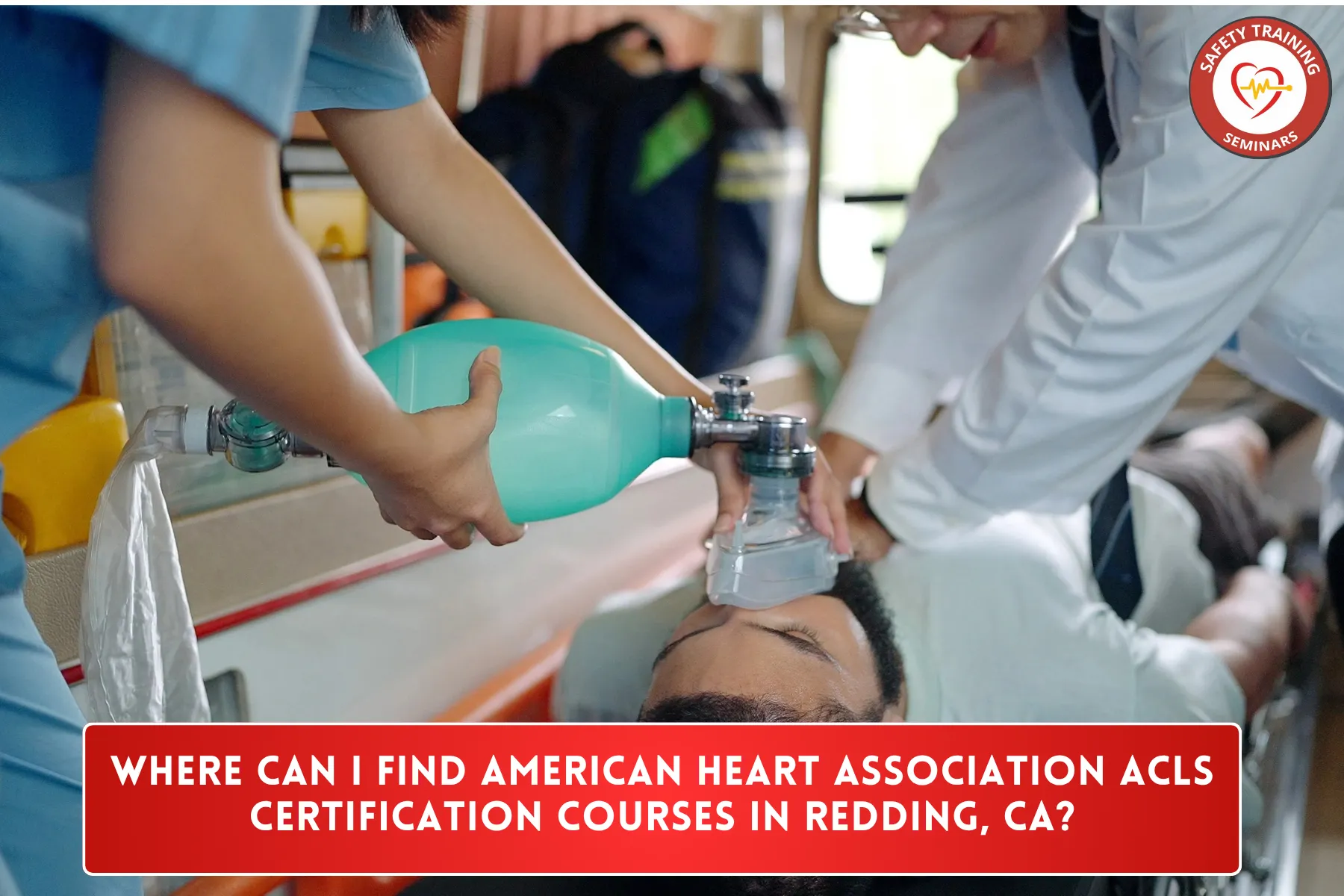
Unlike basic CPR, healthcare provider training introduces advanced ventilation tools. You practice effective rescue breathing using pocket masks and bag-valve-mask (BVM) devices. Learning proper BVM seals requires two-rescuer techniques, ensuring adequate chest rise without hyperventilating the patient.
AED Operation and Defibrillation
Early defibrillation is critical when managing shockable rhythms like ventricular fibrillation. The curriculum includes real-time practice with AED trainers, teaching students how to clear the patient, apply pads accurately across varying age groups, and integrate shocks smoothly into compression cycles.
Multi-Rescuer Team Dynamics
Cardiac arrest resuscitation in a hospital or pre-hospital setting rarely occurs in isolation. Training structures scenarios where team members assign explicit roles, communicate clearly during compressions, and transition smoothly between compressor and ventilator duties to prevent fatigue.
Classroom vs. Blended Learning: Choosing Your Training Format
Prospective students in Northern California generally choose between traditional classroom instruction and blended learning formats. Both options result in the exact same completion card, provided the course includes an in-person hands-on skill assessment.
| Feature | In-Person Classroom | Blended Learning (HeartCode® BLS) |
| Cognitive Learning | Completed in-person with instructor | Completed online at your own pace |
| Hands-On Skill Verification | Conducted during class hours | Completed in-person at a training center |
| Schedule Flexibility | Fixed block of time | Flexible self-paced online portion |
| Ideal Candidate | First-time students, visual learners | Busy professionals, experienced renewals |
Online-only CPR courses that do not feature an in-person physical skill check on manikins are almost universally rejected by healthcare employers, state licensing boards, and clinical coordinators. Ensuring your training includes a physical skills test is essential for maintaining valid credentials.
Preparing for Your Redding BLS Certification Class
Arriving prepared helps ensure a successful skill verification and exam process. Whether attending an initial certification or a renewal session, consider the following preparation steps:
- Review Provider Manuals: If you are attending a traditional class or renewing after several years, reviewing current ECC resuscitation guidelines beforehand helps refresh your knowledge of compression-to-ventilation ratios (such as 30:2 for single rescuers and 15:2 for two-rescuer infant CPR).
- Dress Comfortably: You will spend significant time kneeling on the floor, managing airways, and practicing chest compressions on manikins. Wear comfortable attire, such as scrubs or athletic clothing, along with flat, closed-toe shoes.
- Bring Mandatory Documentation: If you completed the cognitive portion online via a blended learning track, bring a printed or digital copy of your online completion certificate to your hands-on practical session.
- Clarify Employer Requirements: Confirm whether your department requires additional certifications alongside BLS, such as advanced cardiac care credentials. Medical professionals seeking advanced training can explore options for ACLS certification training in Redding.
Local Healthcare Training Context in Shasta County
Redding serves as the central healthcare hub for Shasta County and surrounding rural communities throughout Northern California. Major regional facilities—including Mercy Medical Center Redding, Shasta Regional Medical Center, and local outpatient surgical centers—require clinical staff to maintain up-to-date resuscitation credentials.
Additionally, nursing and allied health students attending local institutions like Shasta College must clear compliance checks before stepping into hospital clinical rotations. Because regional healthcare networks enforce strict verification policies, having immediate access to local training sessions helps providers avoid lapsed credentials and shift suspensions.
Caregivers, EMTs, and clinic staff commuting from nearby communities like Anderson, CA or Shasta Lake, CA frequently rely on Redding as their primary destination for professional healthcare certifications. Securing a course nearby minimizes travel time and provides flexible scheduling options for shift workers.
Getting Certified at Safety Training Seminars in Redding
For healthcare workers and students seeking reliable local instruction, Safety Training Seminars offers official American Heart Association courses designed to fit demanding work schedules.
The local training center is situated directly in downtown Redding:
Safety Training Seminars Redding CPR Training Center : 1135 Pine Street, Suite 207, Redding, CA 96001
This facility serves professionals working in Redding as well as those traveling from neighboring Shasta County locations. If you work or reside south of the city center, review available class listings for Anderson CA CPR and BLS training options to find scheduling that fits your daily commute. Similarly, healthcare workers living in northern Shasta County can access CPR certification classes near Shasta Lake.
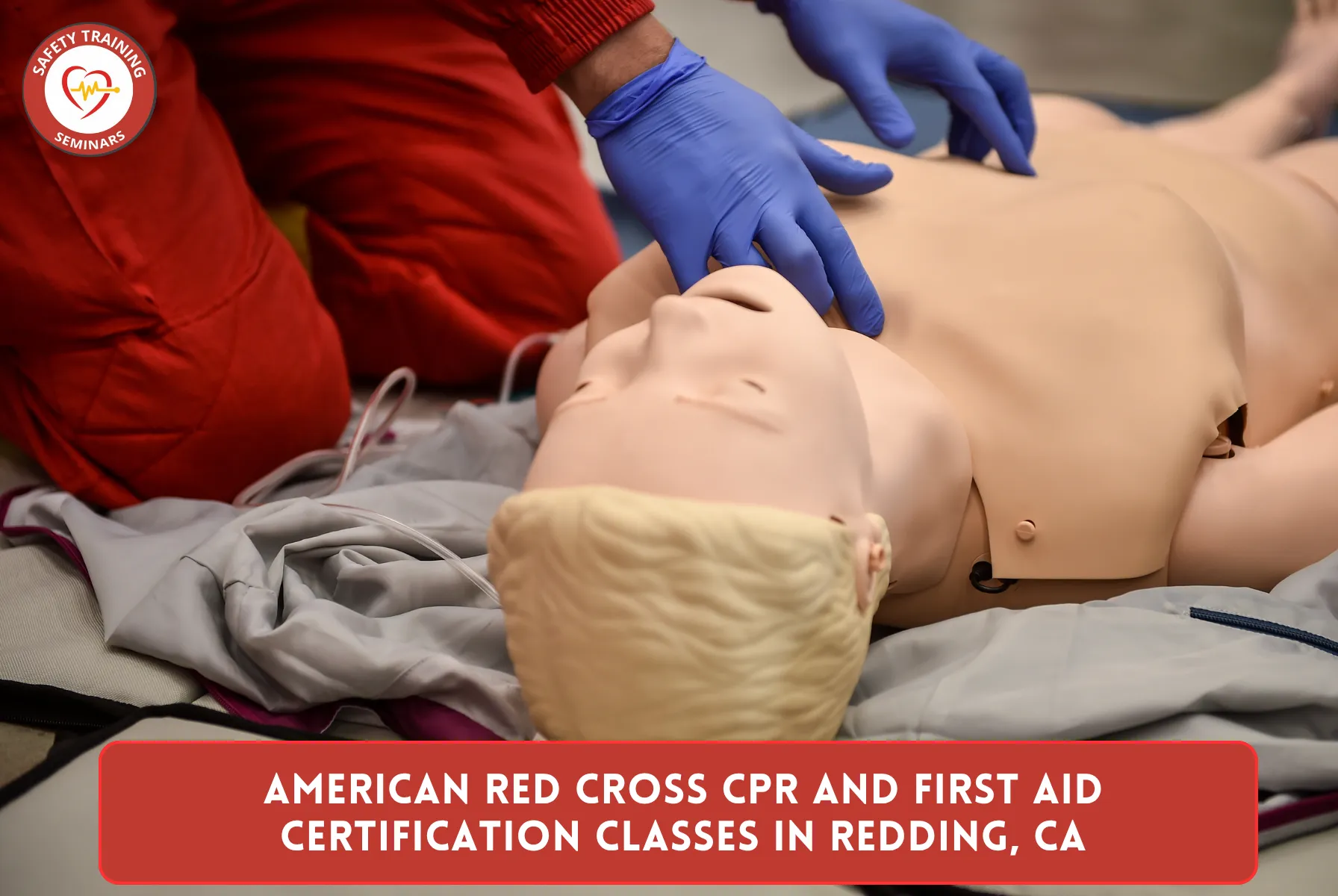
Attending an established local center ensures your hands-on practice is evaluated using up-to-date feedback manikins, providing instant validation on compression depth and recoil to meet national standard benchmarks.
Frequently Asked Questions
How long is a BLS CPR certification card valid?
A standard American Heart Association BLS completion card is valid for two years from the end of the month in which the course was completed. Employers typically require renewal prior to the final expiration date to remain compliant for active shifts.
Are online-only BLS cards accepted by hospitals in Redding?
No. Local healthcare facilities, licensing boards, and nursing programs require courses that include an in-person, hands-on skill demonstration. Online-only certificates lacking physical manikin evaluation do not satisfy clinical compliance requirements.
Can non-healthcare workers take a BLS class?
Yes. Anyone can enroll in a BLS course, but the curriculum focuses heavily on clinical skills, team dynamics, and medical equipment like bag-valve masks. Non-healthcare workers or lay rescuers may prefer standard Heartsaver CPR and First Aid training depending on their workplace requirements.
What should I do if my BLS card has already expired?
If your certification has lapsed, you must complete a BLS course to receive a valid provider card. Most training centers permit expired cardholders to take a standard renewal or blended learning session, provided they successfully pass the physical skills evaluation and exam.
Completing Your BLS Certification
Maintaining an active Basic Life Support credential is an essential component of professional clinical practice across Shasta County. By selecting an accredited training format that includes comprehensive hands-on instruction, you ensure your card remains fully compliant with employer, academic, and state licensing guidelines.
Whether you are preparing for clinical rotations as a nursing student or updating credentials for hospital employment, choosing a nearby training location simplifies your renewal cycle. Review current schedules, verify your workplace requirements, and explore American Heart Association BLS classes in Redding to reserve your upcoming hands-on skill session.